Hormones are our body’s internal messaging system, they influence everything from energy levels and mood to skin, weight, and fertility. But in the modern world, our hormones are constantly competing with chemicals that can disrupt their natural rhythm.
One of the biggest culprits?
Xenoestrogens — synthetic chemicals that mimic oestrogen in the body.
These chemicals can build up over time and contribute to symptoms such as:
- PMS and heavy or painful periods
- Hormonal acne
- Breast tenderness or fibrocystic breasts
- Endometriosis
- Weight gain (especially around hips and thighs)
- Thyroid disruption
- Difficulty losing weight
- Fertility challenges
Let’s break down what xenoestrogens are and how you can protect yourself without feeling like you have to overhaul your entire life.
What Are Xenoestrogens?
“Xeno” means foreign — so xenoestrogens are foreign oestrogen-like chemicals that bind to oestrogen receptors in our cells. They send the same messages that our natural oestrogen would, only exaggerated and out of context.
Over time this can contribute to oestrogen dominance, when there is too much oestrogen in relation to progesterone. For many women, this is a major driver of hormone symptoms.
Xenoestrogens are everywhere, in our food, water, cosmetics, plastics, cleaning products and even furniture. While we can’t avoid them completely, we can massively reduce exposure by making smart swaps.
Common Sources of Xenoestrogens
Here are everyday places they hide:
- Plastics
- Water bottles
- Plastic food containers
- Cling film
- Takeaway packaging
- Canned food linings
These can leach chemicals such as BPA and phthalates, especially when heated or scratched.
Personal Care Products
- Perfume and strongly fragranced products
- Nail polish
- Hair spray
- Make-up and sunscreen
- Body lotions and deodorants
Look for: parabens, phthalates, benzophenones, triclosan.
Household & Cleaning Products
- Air fresheners and scented candles
- Harsh cleaning sprays
- Laundry detergents with artificial fragrance
Pesticides & Food Packaging
- Conventional produce sprayed with hormone-disrupting chemicals
- Non-organic meat and dairy from livestock given growth hormones
Non-stick Cookware
- Older Teflon and chemical-coated pans can shed endocrine-disrupting particles when overheated.
How to Reduce Your Exposure (Without Overwhelm!)
Small, consistent changes make a huge difference. Start with the most impactful:
Ditch Plastic Where You Can
- Switch to glass, stainless steel, or ceramic for drinking and food storage
- Never microwave or heat food in plastic
- Reduce takeaway packaging when possible
Upgrade Your Skincare & Beauty
Choose products that are paraben-free, phthalate-free, and preferably fragrance-free. Apps like Yuka or Think Dirty can help you scan products.
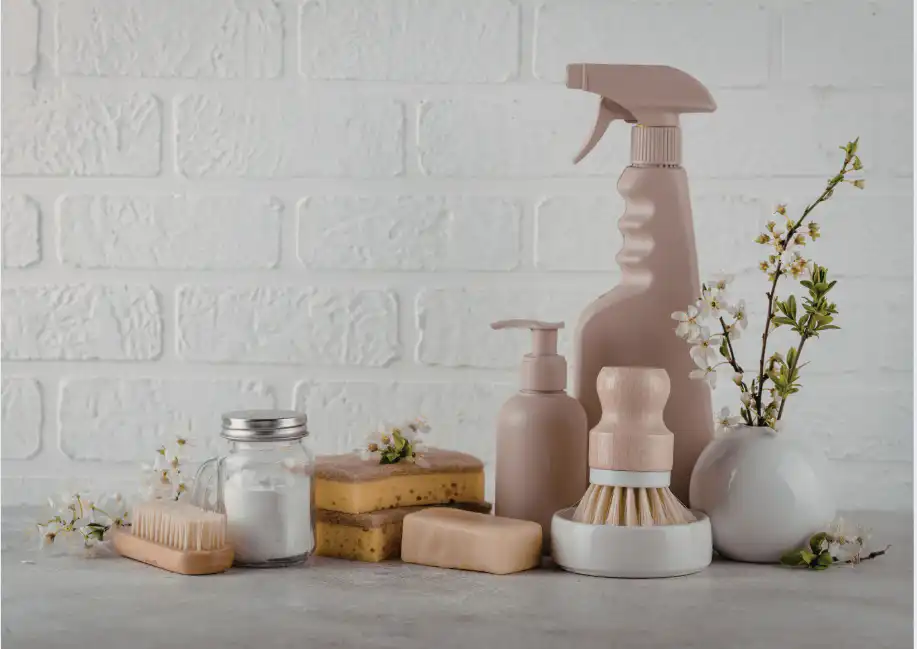
Clean Up Your Cleaning Products
- Avoid synthetic “fragrance” / “perfume”, those often conceal a cocktail of chemicals (e.g. phthalates) linked to hormone disruption.
- Avoid chemicals such as parabens, phosphates, quats (quaternary ammonium compounds), strong bleaches, ammonia, and harsh solvents,these are often associated with respiratory problems, environmental damage, and possibly endocrine disruption.
- Choose simple, plant-based, fragrance-free (or naturally scented) products, soap-based cleaners (plant oils), mild surfactants (e.g. “decyl glucoside”, “coco-glucoside”), or natural acid-based cleaners (vinegar, citric acid) are typically gentler for you and the environment.
- Check for certification/eco-labels, where available, some products voluntarily meet standards for safer ingredients.
Choose Organic (Where Possible)
Especially for:
- Strawberries
- Spinach
- Apples
- Leafy greens
- Non-organic dairy & meat
If organic isn’t an option, wash produce well and prioritise variety.
Filter Your Water
A good water filter reduces:
- Pesticide residue
- Pharmaceuticals
- Hormone-disrupting compounds
(Even an affordable jug filter is a step forward!)
Support Your Liver & Gut
Even with the best intentions, exposure still happens, so we need to support detoxification:
- Eat cruciferous vegetables daily (broccoli, kale, cauliflower)
- Add flax seeds for healthy oestrogen metabolism
- Stay hydrated
- Focus on daily bowel movements (your main hormone exit route)
Your body is designed to detox, it just needs the right support.
Final Thoughts
You don’t need to throw every product you own in the bin. Reducing xenoestrogens is a gradual journey, one swap at a time makes a meaningful difference.
If you’re struggling with hormone symptoms such as painful periods, breast tenderness, acne, bloating, mood swings or PMS, reducing your toxic load can be a powerful first step to feeling better.
If you’d like personalised support with balancing your hormones through nutrition and lifestyle, you can get in touch or explore my programmes designed to help women reclaim their hormone health.
Your hormones can heal, and I’m here to help you do just that.