
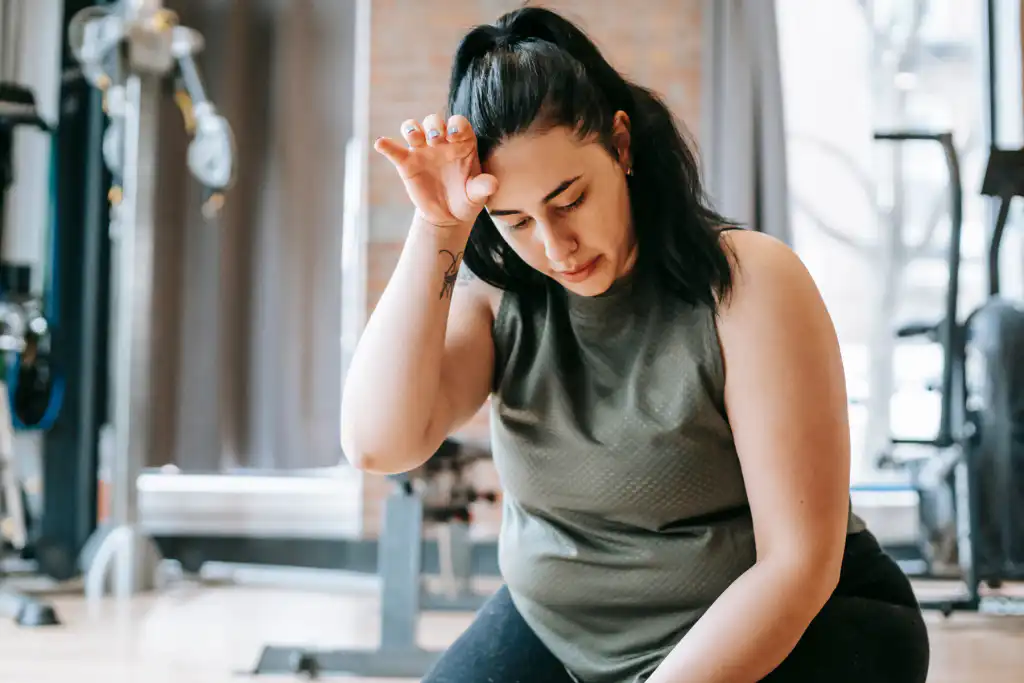
Over a billion people worldwide suffer from iron deficiency, and many find their iron levels don’t improve much even with supplements.
As a Nutritional Therapist, I see iron deficiency frequently in my clients, many of whom have struggled with it for months or years despite taking supplements.
There are a number of factors involved when it comes to absorbing iron, so I wanted to explore them and give you some top tips!
1. The Iron Supplement You Choose Matters for Absorption
The type of iron supplement matters significantly. Ferrous bisglycinate has 2 to 4 times higher absorption compared to ferrous sulphate, leading to better improvements in ferritin levels. Ferrous sulphate, commonly found in chemist brands, can irritate the stomach lining, causing side effects like cramping, nausea, and constipation, and may also affect gut health by promoting pathogen growth and altering gut flora.
2. You’re taking your iron supplement with nutrients that hinder absorption.
Several factors can impact iron absorption in your gut (see below). Ideally, take your iron supplement separately from other supplements; after dinner is often the best time.
- High dose calcium
- High amount of dairy
- Zinc
- Caffeine
- Turmeric
- Tannins
3. Taking iron daily
Hepcidin is a protein made by the liver that controls how much iron our body absorbs from food. It prevents iron overdose, which can be toxic. When our body has enough iron, hepcidin levels go up to stop more iron from being absorbed. If we’re low on iron or anemic, hepcidin levels drop to help us absorb more iron. Inflammation and infections can raise hepcidin levels, making it harder to get enough iron, so treating the underlying issue is important. Taking high doses of iron supplements on a daily basis can increase hepcidin and reduce iron absorption the next day. Therefore, taking iron every other day may help absorb it better.
4. You’re losing more iron than you can absorb
If you are having heavy periods every month, then this could mean you are losing more iron that you can absorb and could make you more suceptible to iron deficiency.
5. Gut absorption
The lining of your gut wall isn’t allowing enough iron to be absorbed. This could be to do with inflammation e.g Chron’s and Celiac disease. Having leaky gut, bloating, irregular bowel movement, reflux. Taking medication that reduce stomach acid long term can hinder absorption.
6. Underactive thyroid
Low levels of T3 down regulates iron regulatory protein in the body, which slows down the production of ferritin by the liver. Thyroid hormones stimulate the production of red blood cells. Low T3 and T4 results in a reduced amount of blood cells being created.
7. Deficiency in Copper and Vitamin A
Both of these nutrients are co-factors or building blocks of creating iron.
Copper is needed for the transport of iron and the storage process in the liver. So when Copper is low the body may absorb less iron and the transport and ferritin is affected .
Vitamin A plays a role with increasing iron absorption and the modulation of haemoglobin production.
8. B12 and Folate Deficiency
Iron deficiency can also be linked to a deficiency in B12 and folate. Both of these nutrients are essential for red blood cell production and haemoglobin formation. Without adequate levels of B12 and folate, your body may struggle to use the iron you’re consuming effectively. If your iron levels aren’t improving, it’s worth investigating and addressing these potential deficiencies.
If you’ve been struggling with low iron levels and haven’t seen much improvement with supplements, it may be time to dig deeper. Factors like gut health, thyroid function, nutrient deficiencies and inflammation can all play a big role.
To truly get to the bottom of what’s driving your iron deficiency, you might benefit from some further tests that can uncover root causes. These tests often provide a more detailed picture of your health but will require the support of a qualified practitioner to interpret the results and create a tailored plan for you.
If you would like to investigate this further then please get in touch today to book your FREE 30 minute wellness review.
You can learn more about how I can help you by viewing how I work and you can sign up to my newsletter below to learn more about how you can support your hormones.